
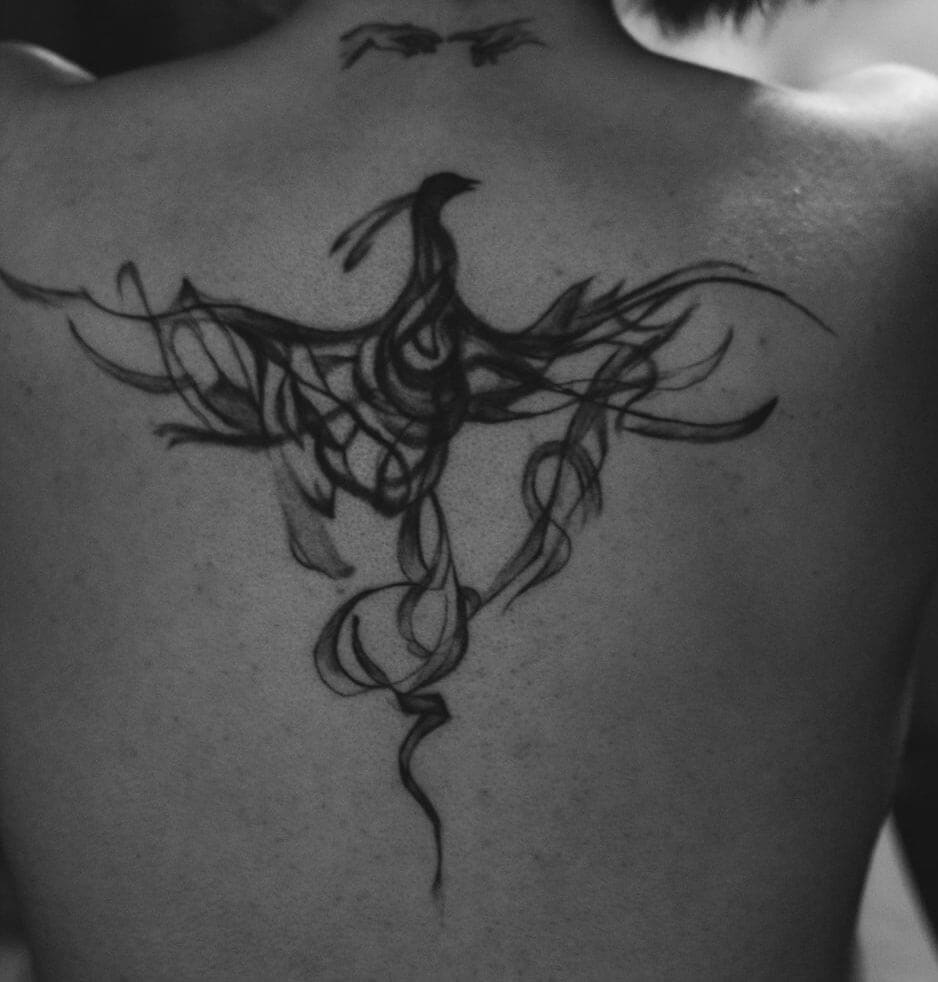
A phoenix tattoo commonly represents the ability to rebuild after loss, failure, trauma, or major change. Its association with fire and renewed life makes it a powerful symbol for people who want to mark survival without pretending the past never happened.
The exact meaning depends on which phoenix tradition inspires the design. The Western phoenix rises through destruction and rebirth, while the Japanese hō-ō is more closely connected with peace, prosperity, virtue, and auspicious rule.
Key Takeaways
- The Western phoenix commonly symbolizes rebirth, survival, renewal, and transformation.
- Fire can represent destruction, purification, pain, or the event that caused change.
- Ashes acknowledge what ended before a new life or identity emerged.
- The Japanese hō-ō is an auspicious bird rather than simply a fire bird.
- Rising, resting, burning, and fully reborn phoenix designs communicate different stages of transformation.
- Color, posture, placement, and supporting imagery should match the wearer’s intended meaning.
What Does a Phoenix Tattoo Mean?
The central phoenix tattoo meaning is renewal after an ending. The bird does not avoid destruction. It passes through it and emerges in another form.
This makes the phoenix suitable for tattoos connected with recovery, grief, personal reinvention, separation, career change, spiritual renewal, or leaving a harmful period behind.
The phoenix can also represent persistence. Rather than showing someone untouched by hardship, it represents someone changed by what they survived.
In Western traditions, the phoenix is described as a long-lived mythical bird that is consumed by fire and followed by a new phoenix rising from the remains. This cycle led to associations with immortality, resurrection, and repeated renewal.
Western Phoenix and Japanese Hō-ō Are Not Identical
The word phoenix is often used broadly, but the Western phoenix and the Japanese hō-ō come from different symbolic traditions.
The Western phoenix is strongly associated with fire, ashes, death, and rebirth. A tattoo based on this tradition usually emphasizes personal transformation or survival.
The hō-ō entered Japanese art through Chinese tradition. In Japanese works, it appears as an auspicious and regal bird associated with peace, prosperity, virtue, and good government rather than a creature that must burn before being reborn.
| Phoenix Tradition | Central Meaning | Common Visual Features | Suitable Tattoo Intent |
| Western phoenix | Rebirth after destruction | Flames, ashes, rising wings | Recovery and personal transformation |
| Japanese hō-ō | Peace, virtue, prosperity | Long feathers, ornate plumage, paulownia | Harmony and auspicious change |
| Modern hybrid phoenix | Self-reinvention | Japanese composition with dramatic fire | Personal meaning with mixed influences |
Contemporary tattoos sometimes combine the fire and rebirth symbolism of the Western phoenix with the flowing feathers and body composition of the hō-ō. This can create a strong design, but the wearer should understand that it blends traditions rather than reproducing one historical interpretation.
Rebirth After Hardship
Rebirth is the most recognizable phoenix tattoo symbolism. It can mark the point when someone began rebuilding after a difficult experience.
The design does not need to describe the hardship directly. The phoenix may represent the person who emerged afterward rather than the event itself.
A rising bird creates a sense of active change. A phoenix already in flight can suggest that the most destructive stage has passed and a new direction has begun.
Rebirth does not require returning to an earlier version of oneself. The phoenix can represent becoming someone different, with the past still forming part of that identity.
Renewal and a New Beginning
Renewal is related to rebirth but carries a softer emphasis. Rebirth often follows a clear ending, while renewal may represent restoring purpose, energy, confidence, or commitment.
A phoenix tattoo can mark a new relationship with oneself after burnout, loss, or prolonged uncertainty. It may also represent renewed faith, creativity, independence, or direction.
Designs focused on renewal may use less destructive fire. Light, open wings, new feathers, sunrise imagery, or upward movement can shift the tattoo away from devastation and toward possibility.
Fire as Destruction and Purification
Fire gives the phoenix its emotional tension. It destroys the bird’s former state, but it also creates the conditions for renewal.
In a tattoo, heavy flames can emphasize pain, conflict, anger, or a dramatic break from the past. Controlled flames can suggest purification, release, or intentional change.
The phoenix may appear inside the fire, emerging from it, or flying above it. Each position communicates a different stage of transformation.
| Phoenix Position | Possible Meaning |
| Surrounded by flames | Currently enduring change |
| Emerging from fire | Beginning recovery |
| Rising from ashes | Rebuilding after an ending |
| Flying above the flames | Moving beyond the past |
| Resting without fire | Peace, stability, or auspicious meaning |
Fire should not be added automatically. A Japanese hō-ō design focused on harmony and prosperity may not need flames at all.
Ashes and the Importance of What Ended
Ashes represent what remains after destruction. They can acknowledge a former identity, relationship, home, belief, or stage of life that cannot be restored in its original form.
Including ashes gives the design a different tone from showing only a powerful bird. The tattoo becomes less about victory alone and more about the cost of transformation.
Ashes may appear beneath the bird, fall from its wings, or transition into feathers. This visual connection can show that the new life developed from the old one rather than appearing without history.
Survival, Resilience, and Recovery
The phoenix can represent survival because its story continues after apparent destruction. This makes it a common choice for people marking recovery from addiction, illness, abuse, grief, financial loss, or another major challenge.
The symbol should remain personal rather than functioning as a generic badge of strength. A date, color, object, or subtle supporting detail can connect the bird to the wearer’s actual experience.
A phoenix does not imply that recovery is effortless or complete. It can represent the ongoing decision to rebuild, even when change remains unfinished.
Common Phoenix Tattoo Pairings
Supporting elements should clarify the intended meaning rather than repeat it. Flames, ashes, and smoke strengthen the transformation narrative, while flowers and plants may add associations with season, memory, beauty, or renewal.
A sun can represent a new beginning, while a moon may suggest cycles and internal change. Water can create a balance between emotional calm and destructive fire, but it also changes the composition’s visual logic.
Paulownia is the most historically grounded pairing for a Japanese hō-ō. The Met records the phoenix and paulownia combination in Japanese painting and textile art as an established auspicious motif.
Too many symbols can make the meaning unclear. The phoenix should remain the focal point, with supporting imagery explaining which form of rebirth, harmony, or renewal the wearer intends.
Common Phoenix Tattoo Design Mistakes
One mistake is assuming every phoenix has the same meaning. A fire-based Western phoenix and an auspicious Japanese hō-ō should not be described as identical symbols.
Another problem is using too much fire. Large flames can overpower the bird, especially in black and grey designs where both elements depend on similar tonal values.
Reducing the tattoo too far can also damage the design. Wings, layered feathers, facial details, flames, and long tail sections need enough scale and separation to remain readable.
The artist should have experience with birds, feather structure, movement, and the chosen style. A phoenix depends on strong body flow, not only decorative color.
Frequently Asked Questions
Can a phoenix tattoo represent sobriety?
Yes. It can represent the end of a destructive period and the continuing process of rebuilding a life around different choices.
A date, small personal symbol, or controlled flame pattern can make the meaning more specific without stating it publicly.
What does a phoenix feather tattoo mean?
A single feather can represent a smaller piece of the phoenix’s renewal symbolism. It may suggest survival, transformation, or carrying evidence of a past change.
It is a subtler option for someone who does not want the full bird.
Can two phoenixes be used in one tattoo?
Two phoenixes may represent partners, relatives, shared recovery, or two lives transformed through the same experience.
The artist should create clear differences in direction, scale, or color so the birds do not merge visually.
Can a phoenix tattoo include a memorial date?
Yes. A date can connect the rebirth symbolism to a person, loss, or life-changing event.
The date should remain secondary to the bird and be placed where it can stay readable without interrupting the feather structure.
Choosing the Phoenix Meaning You Want to Carry
Phoenix tattoo meaning and symbolism extend beyond a general message of rising from the ashes. The bird can represent painful transformation, quiet renewal, continued recovery, lasting legacy, or the arrival of peace and prosperity.
The Western phoenix emphasizes destruction followed by new life. The Japanese hō-ō carries a different history centered on auspiciousness, virtue, harmony, and regal presence.
Choose the tradition and stage of transformation before selecting the colors, flames, posture, and supporting imagery. A phoenix becomes more meaningful when the design shows not only that change happened, but what kind of person or life emerged from it.