
Tattoo Numbing Cream Explained: Does It Work, and Is It Safe?

Tattoo numbing cream can reduce surface sensation for some clients, but it does not guarantee a painless session. Its effectiveness depends on the active ingredient, concentration, application method, placement, session length, skin condition, and individual response. These products also require more caution than ordinary skin care. The FDA has warned consumers about topical pain-relief products […]
What Tattoos Look Like After 10, 20, and 30 Years
A tattoo will not look identical throughout a person’s life. Lines may appear softer, colors can lose intensity, small gaps may become less distinct, and the design can change as the skin becomes thinner, drier, looser, or more wrinkled. There is no universal appearance for a 10-, 20-, or 30-year-old tattoo. Design structure, application quality, […]
Why Tattoos Fade in the Sun and How to Protect Them From UV Damage

Sun exposure can gradually reduce the clarity and intensity of a tattoo. Ultraviolet light affects both the pigment and the skin through which the tattoo is viewed, so repeated exposure may make lines appear softer and colors less vibrant. Sun protection cannot keep a tattoo identical to its first-day appearance. It can reduce avoidable fading […]
Your New Tattoo’s First Seven Days: Washing, Peeling, and Daily Care
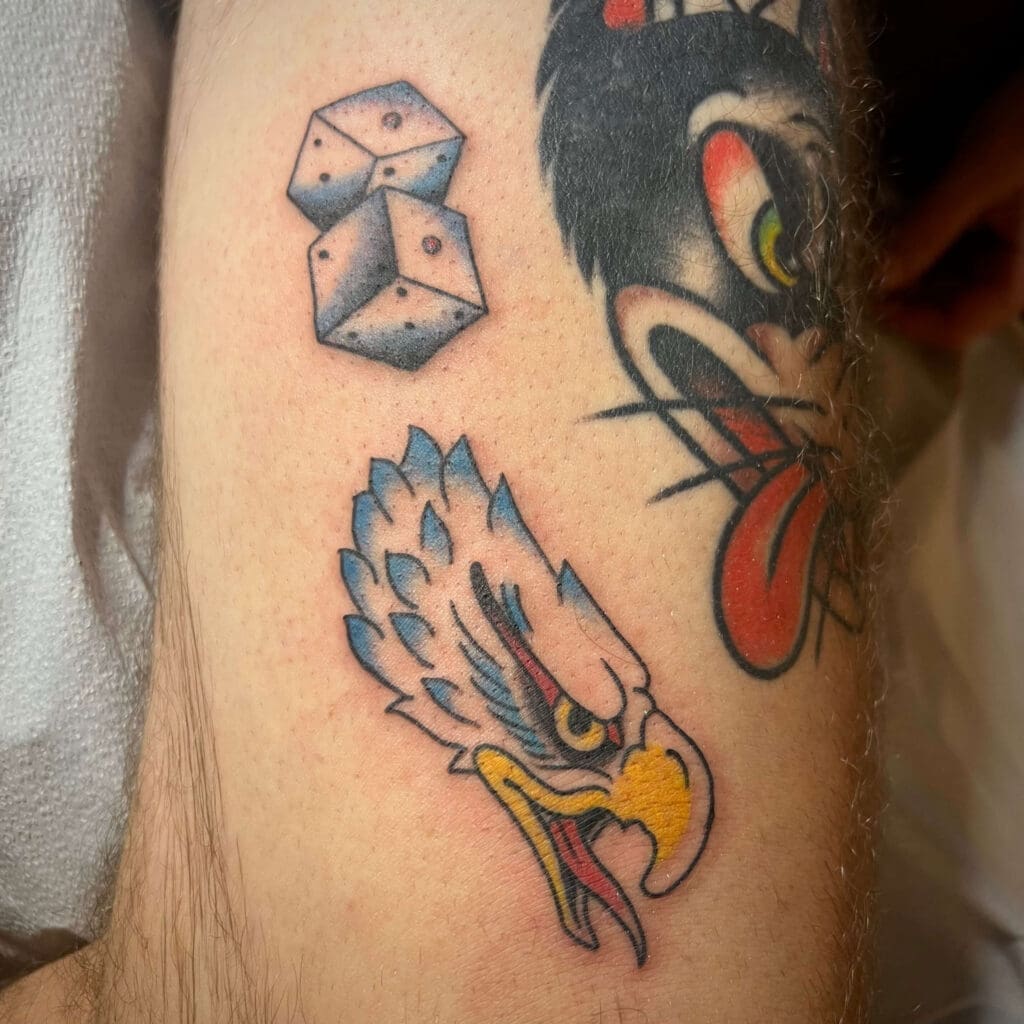
The first week after a tattoo is when the skin is most vulnerable to contamination, friction, excessive moisture, and accidental damage. Care should remain simple: follow the dressing instructions, wash gently, apply only enough moisturizer to control dryness, and leave scabs or peeling skin alone. Some redness, swelling, soreness, clear fluid, itching, flaking, and light […]
Planning a Multi-Session Tattoo: Healing Gaps, Scheduling, and Completion Timelines

Large sleeves, back pieces, bodysuit sections, detailed cover-ups, and saturated color tattoos often require more work than the skin or client can safely manage in one appointment. Dividing the project into sessions gives the artist time to build the design carefully while allowing previously tattooed areas to recover. A multi-session schedule should account for healing, […]
How Much Time Should You Set Aside for a Tattoo Session?

A tattoo appointment can take less than an hour or occupy most of the day. The total depends on the design, placement, artist, skin response, breaks, and how much preparation is required before tattooing begins. The time spent inside the studio is usually longer than the time the needle is touching the skin. Check-in, paperwork, […]
Tattoo Apprenticeship or Tattoo School? Comparing Training, Cost, and Career Preparation

A tattoo apprenticeship teaches the craft inside a working studio under an experienced artist. Tattoo school provides a structured curriculum through scheduled classes, instructors, required hours, and formal assessments. Neither path is automatically valid everywhere. Licensing rules differ by location, and some jurisdictions recognize approved schools, apprenticeships, or both. Before paying tuition or accepting a […]
Choosing Between a Walk-In Shop and a Private Tattoo Studio

A walk-in tattoo shop gives clients the option to visit without a pre-booked appointment, although same-day availability is never guaranteed. A private studio usually operates by appointment and limits access to scheduled clients. The better choice depends on the tattoo you want, how much planning it requires, your preferred level of privacy, and whether you […]
Is This Tattoo Studio Safe? Hygiene Checks and Red Flags Clients Should Notice

A safe tattoo studio is defined by its procedures, not by modern décor, strong disinfectant smells, or an impressive social media presence. The most useful signs appear in how the artist handles gloves, needles, ink, surfaces, clean supplies, and contaminated waste. Tattooing generates blood and exposes broken skin to equipment, hands, pigments, and the surrounding […]
Tattoo Shop Etiquette Explained: Tipping, Guests, Communication, and Appointment Courtesy

Tattoo shop etiquette is mostly about respecting the artist’s time, workspace, boundaries, and creative process. Clients are not expected to understand every studio custom, but they should arrive prepared, communicate clearly, and avoid behavior that disrupts the appointment. Tipping is only one part of the experience. Punctuality, design approval, guest behavior, phone use, hygiene, payment, […]