
Calf Tattoo Design Ideas: Inner, Outer, Back, and Wraparound Placements

The calf offers enough vertical space for detailed animals, portraits, flowers, ornamental panels, lettering, and illustrative scenes without requiring the commitment of a full leg sleeve. It can support a visible standalone tattoo or become the lower anchor of a larger composition extending toward the knee, shin, ankle, or thigh. The strongest calf tattoo ideas […]
Are Neck Tattoos Worth It? Visibility, Pain, Aging, and Career Impact

A neck tattoo can frame the face, connect a chest piece with the head, or complete the upper section of a back tattoo or sleeve. It can also become one of the most visible and difficult-to-conceal tattoos a person chooses. The decision involves more than selecting a design. Pain, movement, sun exposure, workplace visibility, clothing […]
Before You Get a Hand or Finger Tattoo, Understand Fading and Detail Limits

Hand and finger tattoos remain visible during conversations, work, photographs, and ordinary daily tasks. Their small size can make them appear simple, but these placements require more technical planning than many larger tattoos. Constant movement, frequent washing, sunlight, skin creases, and daily contact can make healed results less predictable. Anyone considering this placement should expect […]
Thigh Tattoo Placement Guide: Front, Outer, Inner, and Back Thigh Compared

The thigh provides enough space for detailed portraits, animals, flowers, ornamental work, lettering, and large narrative compositions. It can hold a discreet standalone tattoo or become the upper section of a full leg sleeve. Placement changes how the artwork is viewed, how it follows the muscles, and how easily it can be concealed. Front, outer, […]
Shoulder Tattoo Design Ideas: Shoulder Cap, Blade, Front, and Wraparound Options

The shoulder can hold a compact standalone tattoo or become the starting point for a sleeve, chest piece, or back composition. Its rounded structure works especially well for designs that need movement, circular flow, or a natural transition into nearby body areas. The best shoulder tattoo design depends on whether the main subject sits on […]
Ribcage Tattoo Pain, Healing Time, and Aftercare Expectations
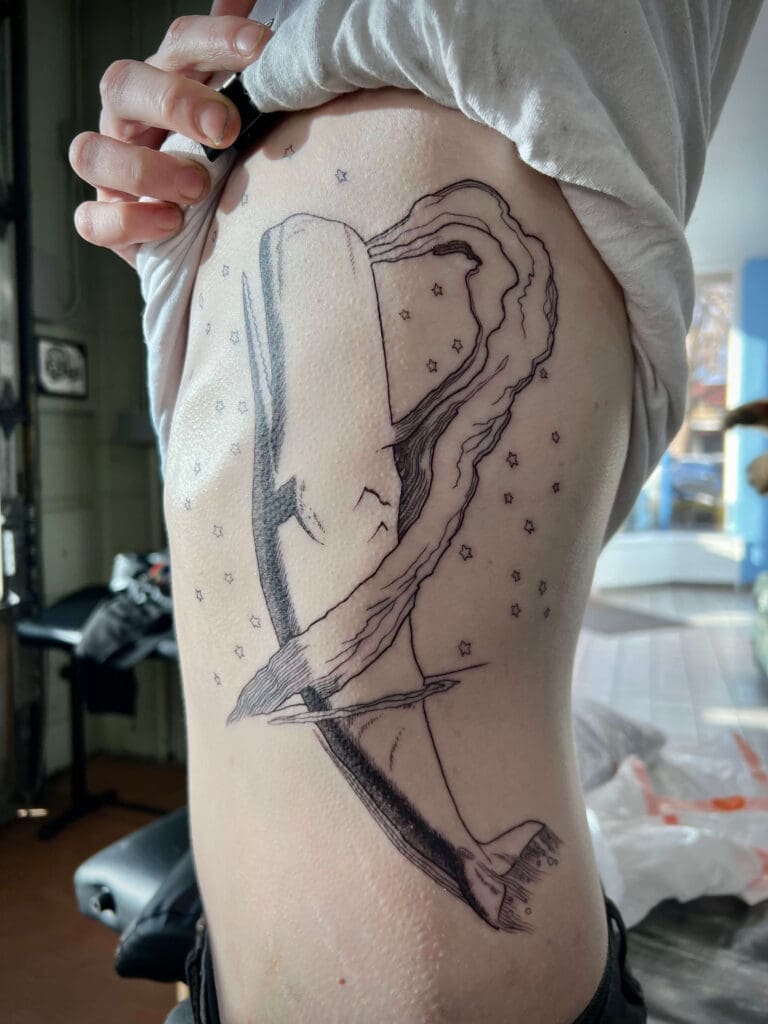
Ribcage tattoos can hold large floral arrangements, lettering, animals, ornamental designs, and compositions that follow the natural curve of the torso. The placement also has a reputation for being difficult because the skin is relatively close to the ribs and moves continuously with breathing. Pain and healing vary by person, but planning for positioning, clothing […]
How Long Does a Tattoo Sleeve Take From Planning to Completion?

A tattoo sleeve usually takes several months to more than a year from the first consultation to the final healed review. The timeline depends on the sleeve’s size, style, detail, color, session length, healing speed, artist availability, and whether the design begins on a blank arm or must incorporate existing tattoos. A full sleeve should […]
Chest Tattoo Design Considerations: Symmetry, Placement, Pain, and Movement

A chest tattoo can create a strong central composition, connect both sides of the upper body, or extend naturally into the shoulders, arms, ribs, and neck. The area can support symmetrical ornament, portraits, animals, lettering, religious imagery, botanical work, and large Japanese-inspired designs. The chest is not a flat canvas. The sternum, collarbones, pectoral muscles, […]
Back Piece Tattoo Planning Guide: Composition, Scale, Sessions, and Body Flow

A back piece offers enough space for large figures, landscapes, mythological scenes, ornamental structures, and full narrative compositions. The challenge is not finding room. It is organizing that room so the tattoo follows the spine, shoulders, ribs, waist, and natural movement of the body. Successful back-piece planning begins with one central concept and a clear […]
Forearm Tattoo Design Ideas: Inner, Outer, Wraparound, and Full-Forearm Placements

Forearm tattoos work well for designs that need visibility, directional flow, and enough space for recognizable detail. The area can support lettering, portraits, botanical work, symbolic imagery, black and grey shading, or larger compositions that connect the wrist to the elbow. The best design depends on which side of the forearm is used. Inner, outer, […]