
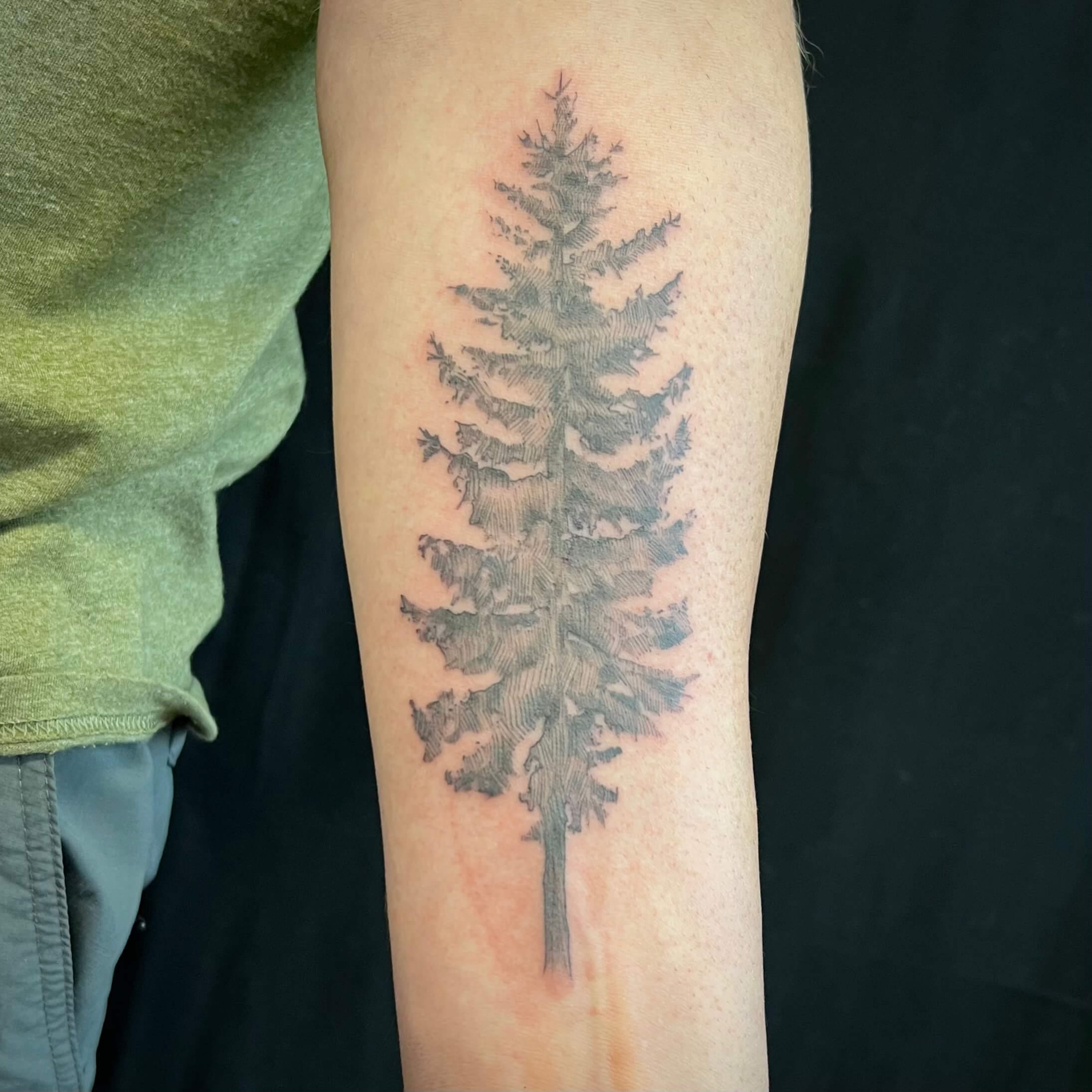
The comfort and feel of a tattoo studio can shape the entire appointment.
A calm, clean, respectful environment may help a client communicate more clearly, settle into the session, and manage long periods of physical discomfort. A tense or chaotic studio can make the same tattoo feel harder than it needs to be.
Comfort does not mean luxury. It means the space supports trust, privacy, physical stability, clear communication, and professional care from the consultation through the healing period.
Key Takeaways
- Studio comfort affects communication, anxiety, pain management, and overall trust.
- A comfortable studio should feel professional rather than overly casual or uncontrolled.
- Privacy matters when tattoo placement requires clothing adjustments or exposed skin.
- Temperature, noise, lighting, seating, and body positioning can affect long sessions.
- Clients should feel comfortable asking questions, requesting breaks, or discussing pain.
- Cleanliness and infection-control practices should never be sacrificed for atmosphere.
- Post-session communication contributes to the studio experience after the client leaves.
- The best environment supports both the artist’s concentration and the client’s physical needs.
Studio Comfort Begins Before the Appointment
The first impression often develops before the client enters the tattooing area.
It may begin through the studio website, booking form, consultation process, or first response to an inquiry. Clear information about deposits, scheduling, design policies, identification requirements, and preparation helps reduce uncertainty.
Clients may already feel nervous about pain, cost, permanence, or whether their idea will be taken seriously. Confusing messages or dismissive replies can increase that anxiety before the appointment begins.
A comfortable booking experience should answer practical questions without making the client feel embarrassed for asking them.
This does not require constant messaging or immediate replies. It requires organized communication and realistic expectations.
Comfort Is Not the Same as Luxury
A tattoo studio does not need expensive furniture, elaborate decoration, or a private lounge to feel comfortable.
A simple space can provide an excellent experience when it is clean, organized, quiet enough for communication, and arranged around safe tattooing.
Luxury features cannot compensate for poor boundaries, unclear pricing, careless hygiene, or an artist who ignores the client.
Comfort comes from how the studio functions.
The client should know where to wait, where personal belongings can be placed, what parts of the studio are restricted, and what will happen next.
The Relationship Between Comfort and Trust
Tattooing requires a client to allow another person to permanently alter their body.
That process involves trust in the artist’s drawing, technical ability, judgment, sanitation practices, and respect for personal boundaries.
The studio environment either reinforces or weakens that trust.
An organized workstation, calm communication, and clear explanation of the process can make the client feel that the appointment is being handled carefully.
Disorganization can create the opposite impression. Missing supplies, rushed setup, repeated interruptions, or confusion about the approved design may make the client question decisions that should already feel secure.
Privacy and Personal Boundaries
Privacy becomes especially important when a tattoo is placed on the ribs, chest, sternum, hip, thigh, back, or another area that requires clothing to be moved.
The client should be told what clothing needs to be adjusted and why.
Screens, private rooms, disposable coverings, and thoughtful positioning can reduce unnecessary exposure.
Only the area being tattooed should be uncovered when possible. The artist should explain physical contact before repositioning the client or stretching skin near a sensitive area.
A professional studio does not treat discomfort about privacy as immaturity.
Clients have different histories, cultural expectations, body-image concerns, and personal boundaries. Respectful artists make room for those differences.
How Noise Changes the Session
Tattoo studios can be social environments, but excessive noise may make a long appointment more difficult.
Loud conversations, shouting, constant phone alerts, or music played at an uncomfortable volume can increase mental fatigue.
Some clients prefer conversation because it distracts them from the tattoo. Others manage discomfort better when the room is quiet.
The artist also needs enough concentration to follow the stencil, monitor the skin, and maintain consistent application.
A balanced studio atmosphere allows conversation without making every client participate in it.
Headphones may be acceptable in some studios, but clients should still remain able to communicate with the artist when positioning or breaks need to change.
Music, Visual Style, and Studio Personality
Music and decoration help establish the studio’s identity.
Artwork, furniture, lighting, books, plants, merchandise, and wall displays may reflect the artists who work there.
These details can make the studio feel distinctive and welcoming. They can also help clients understand the style and culture of the shop before the tattoo begins.
A heavily decorated studio is not automatically less professional than a minimalist one. The important question is whether the environment remains functional.
Walkways should remain clear, clean areas should stay separate from personal objects, and decorative items should not interfere with safe workstation preparation.
Temperature and Airflow
Temperature can have a noticeable effect during a long tattoo session.
A client may feel cold because part of the body is uncovered, the room is air-conditioned, or the body becomes tired after several hours.
Another client may feel warm because of anxiety, pain, lighting, or the position required for the tattoo.
The studio should provide reasonable temperature control without compromising hygiene or the artist’s working conditions.
Blankets, pillows, or coverings should only be used when they can be handled safely within the studio’s procedures.
Clients can also prepare by bringing appropriate layers that allow access to the placement without making the rest of the body uncomfortable.
Seating and Body Positioning
Tattoo positioning is determined partly by what gives the artist stable access to the skin.
The most familiar or relaxed position is not always the best working position. A back tattoo may require the client to lean forward, while a leg or rib tattoo may require lying in a specific direction.
However, the artist should still consider the client’s joints, circulation, injuries, mobility, and ability to maintain the position.
| Comfort Factor | Why It Matters |
| Chair or table support | Reduces unnecessary muscle strain |
| Pillows and bolsters | Helps stabilize the body and placement |
| Position changes | Prevents stiffness during long sessions |
| Clear instructions | Reduces uncertainty and sudden movement |
| Scheduled breaks | Allows stretching, food, water, and restroom use |
| Accessible belongings | Keeps required items nearby without disrupting the station |
The Importance of Breaks
Breaks support both physical comfort and tattoo quality.
The client may need water, food, a restroom visit, or relief from one position. The artist may need to rest their hands, reset mentally, or examine the design from a different distance.
Too many breaks can interrupt momentum and extend the session, but avoiding necessary breaks can lead to dizziness, shaking, stiffness, or sudden movement.
Clients should feel able to request a pause without being criticized.
The artist may also recommend stopping the session when the skin is no longer responding well or the client is struggling physically.
Ending earlier than planned is sometimes a professional decision rather than a failure to tolerate pain.
How to Evaluate Studio Comfort Before Booking
Portfolio quality should remain a major factor, but the studio environment also deserves attention.
Consultation communication, public reviews, studio photographs, policies, and direct questions can reveal how the space operates.
Look for patterns rather than one isolated complaint or compliment.
A studio may be quiet and private, while another feels social and energetic. Either can be appropriate when the atmosphere matches the client’s needs and remains professional.
The goal is not to find a studio with no personality. It is to find one where that personality does not interfere with safety, consent, concentration, or communication.
Frequently Asked Questions
Can I bring a support person to my tattoo appointment?
Studio policies differ. Ask before the appointment because available space, privacy, and contamination-control rules may limit additional guests.
Is it rude to ask for different music during a tattoo?
Not necessarily. You can ask politely, although the artist must also consider other clients, staff, and the overall studio environment.
Can I leave a session early if I feel uncomfortable with the studio?
Yes. You can withdraw consent before or during tattooing, although deposits and charges for completed work may still follow the studio’s policies.
Should I visit the studio before paying a deposit?
Some studios allow consultations or brief visits, while others operate by appointment only. Ask whether viewing the space is possible before booking.
The Right Studio Makes a Demanding Session Feel Manageable
A tattoo studio cannot remove every source of discomfort.
Tattooing still involves needles, long periods in one position, exposed skin, and the emotional weight of making a permanent decision.
The environment can make those demands easier to manage.
Clear communication, privacy, stable positioning, reasonable noise, thoughtful temperature control, professional boundaries, and organized aftercare all contribute to the experience.
A comfortable studio helps the client feel respected and allows the artist to concentrate on the work. That combination supports better decisions before the session, greater stability during the appointment, and more confidence throughout healing.