
When Does a Black and Grey Tattoo Need a Touch-Up? Signs, Timing, and Expectations

A black and grey tattoo may need a touch-up when important lines, shadows, or focal details heal lighter or less evenly than intended. Not every soft grey area requires correction. Grey wash naturally settles lighter than it appears when fresh, so the tattoo must be fully healed before the artist can distinguish normal tonal softening […]
Why Black and Grey Tattoos Fade: Ink Density, Placement, Skin, and Sun Exposure

Black and grey tattoos do not fade at one uniform rate. Solid black, dark grey wash, pale shading, fine lines, and open highlights all age differently because they contain different amounts of pigment and serve different roles in the design. Placement, sun exposure, application, skin changes, and design scale also affect how quickly contrast softens. […]
Aftercare for Black and Grey Tattoos: Protecting Soft Shading, Detail, and Contrast

Black and grey tattoo aftercare protects more than the skin surface. It helps smooth grey wash, fine details, open highlights, and solid black areas settle without unnecessary irritation. Poor handling during healing can contribute to uneven appearance, damaged skin, or delayed recovery. Key Takeaways Why Aftercare Matters for Black and Grey Shading A new tattoo […]
What Looks Best in Black and Grey? Tattoo Subjects That Benefit From Light and Shadow

Some tattoo subjects naturally depend more on shape, texture, expression, and lighting than on color. Black and grey gives those subjects room to develop through deep shadows, soft midtones, sharp highlights, and open skin. The strongest choices usually have recognizable silhouettes, varied surfaces, and enough contrast to remain clear after healing. Key Takeaways What Makes […]
Black and Grey Tattoo Healing Timeline: How the Shading Changes Week by Week
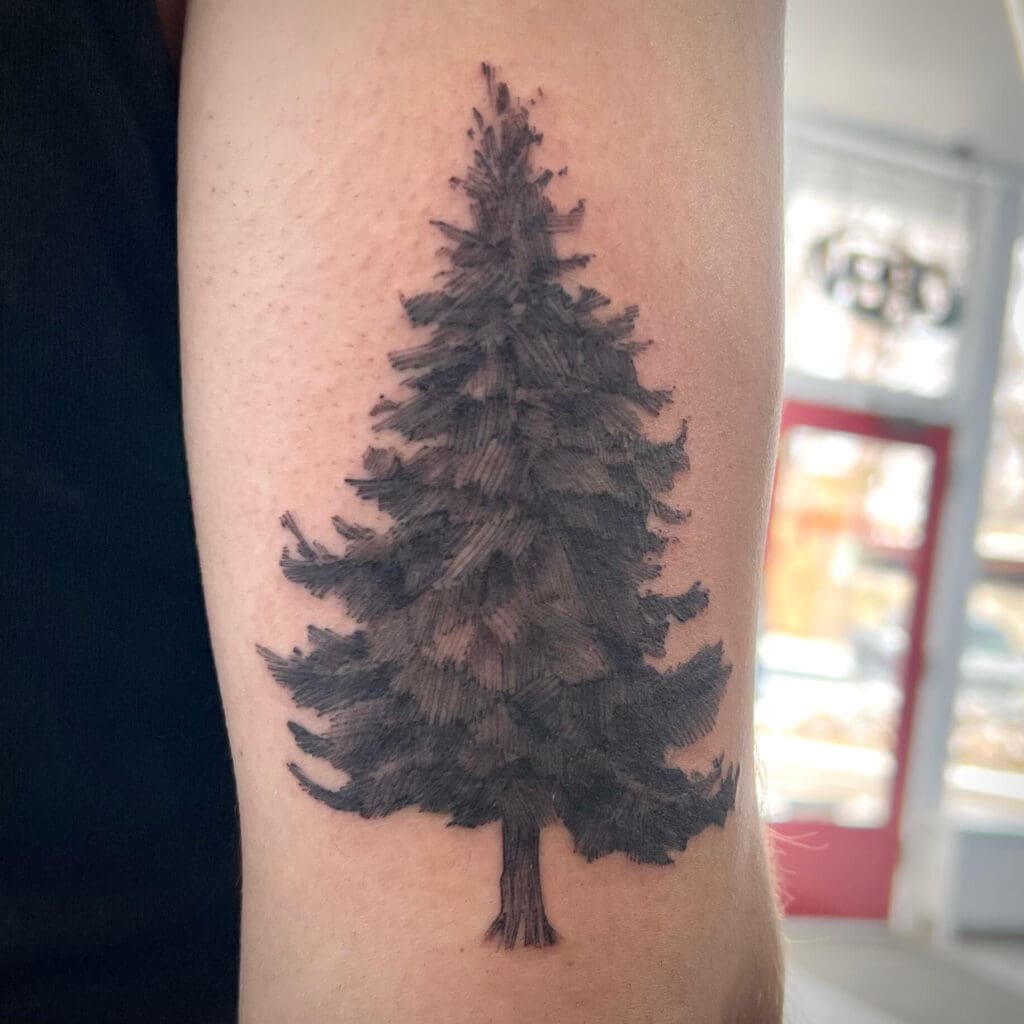
A fresh black and grey tattoo rarely shows its final tonal balance. Black areas often look extremely dark, grey wash may appear heavier than expected, and swelling can make edges seem sharper or less even. As the skin heals, the shading softens and the relationship between highlights, midtones, and shadows becomes clearer. Key Takeaways Why […]
Grey Wash Shading Guide: Ink Dilution, Tonal Control, and Smooth Transitions

Grey wash shading allows tattoo artists to create light, midtone, and dark values using diluted black ink. The technique supports realistic depth, soft shadows, atmospheric backgrounds, and gradual transitions without introducing additional colors. Strong results depend on consistent wash strengths, controlled application, and an understanding of how each tone changes after healing. Key Takeaways What […]
What Makes a Black and Grey Realism Tattoo Look Lifelike?

A black and grey realism tattoo looks lifelike when its proportions, lighting, values, textures, and depth behave like the real subject. Fine detail can strengthen the illusion, but detail alone does not create realism. A tattoo with accurate structure and controlled contrast will usually appear more convincing than one filled with tiny marks but weak […]
Planning a Black and Grey Portrait Tattoo: Reference Photos, Likeness, and Placement

A successful black and grey portrait tattoo begins with the reference image, not the tattoo machine. Black and grey artistry depends on clear facial structure, readable lighting, accurate proportions, and enough tonal information to preserve the subject’s identity. Placement, scale, skin tone, and the expected healed result must also support the features that make the […]
Black and Grey or Color Tattoo? How to Choose the Right Style for Your Design

Choosing between a black and grey tattoo and a color tattoo changes more than the palette. It affects contrast, mood, subject clarity, maintenance, artist selection, and how the design may look as it ages. Neither option is automatically better. The right choice depends on what the tattoo needs to communicate, how much visual detail it […]
How Black and Grey Tattoos Are Made: Value, Contrast, and Shading Methods

Black and grey tattoos are built through controlled relationships between light skin, diluted black ink, midtones, deep shadows, and solid black. The technique is not simply black ink applied more lightly. Artists must plan value, contrast, edge quality, texture, and healed readability before the first shaded area is placed. Key Takeaways The Core Principle Behind […]