
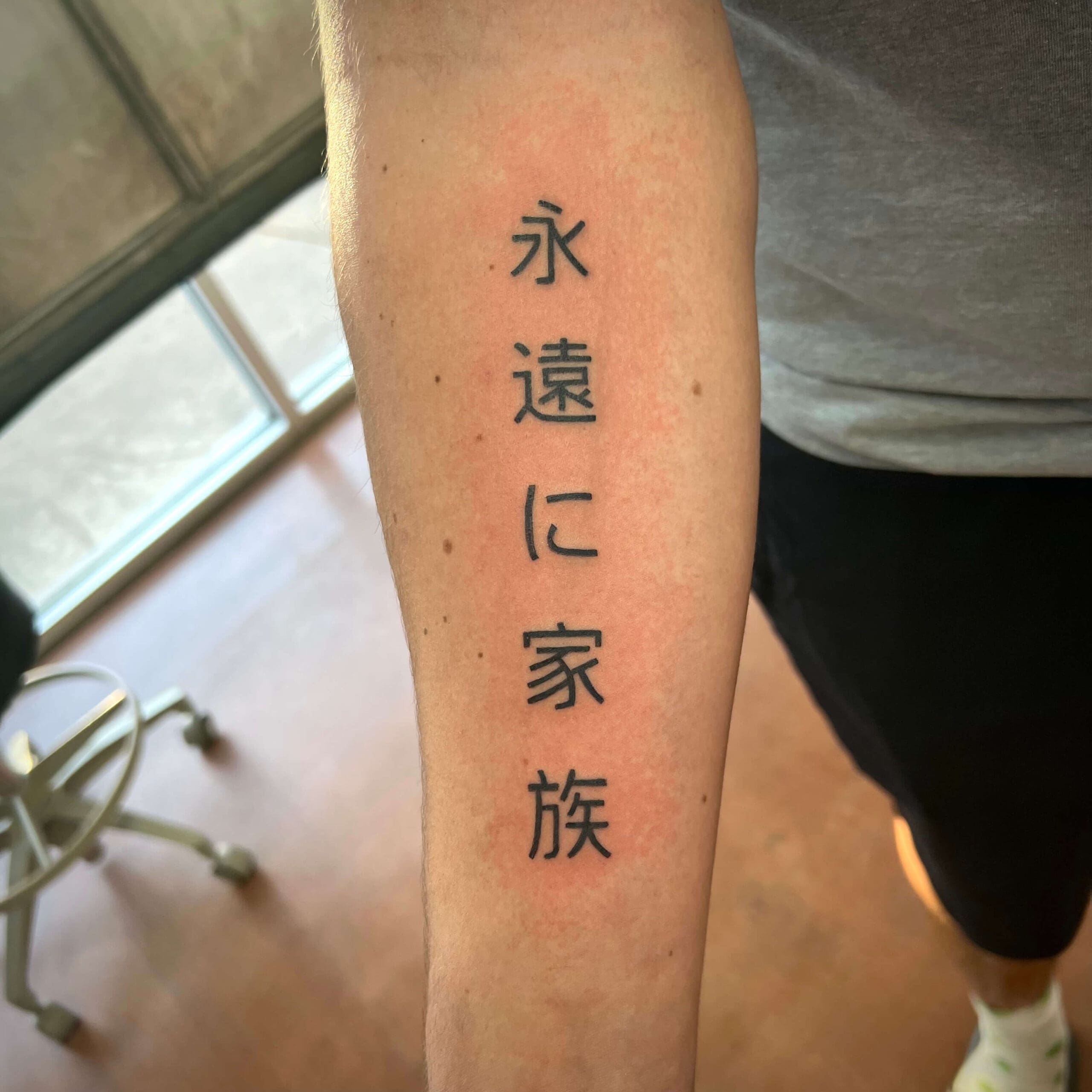
A tattoo becomes a living legacy when it carries meaning beyond the day it is applied.
Unlike a framed artwork or stored object, a tattoo remains connected to a changing body. It moves, ages, heals, fades, and gathers new associations as the wearer passes through different stages of life.
Choosing permanent art therefore involves more than selecting an attractive image. It means deciding what you are willing to carry, reinterpret, and make part of your visible or private history.
Key Takeaways
- A living legacy is created through the relationship between a tattoo and the person wearing it.
- The meaning of a tattoo may deepen, change, or become more complicated over time.
- Permanent art should be chosen with the future wearer in mind, not only the present mood.
- Personal symbols are often stronger when they represent a story rather than a temporary preference.
- Aging does not erase a tattoo’s meaning, but it may change its appearance.
- A meaningful tattoo can still be visually beautiful, humorous, spontaneous, or private.
What Does “Living Legacy” Mean in Tattooing?
A legacy is something carried forward from one time, person, or experience into another.
In tattooing, that legacy remains alive because it exists on a living body. The design does not stay frozen in the condition in which it was first created.
Skin changes with age, weight, movement, sunlight, pregnancy, injury, illness, and everyday life. The wearer also changes emotionally, socially, and intellectually.
A tattoo chosen at 20 may be understood differently at 40. The image remains, but the person interpreting it has accumulated more experience.
This makes the tattoo a continuing relationship rather than a completed object.
Permanent Art Becomes Part of Personal History
Many tattoos mark specific moments.
A design may commemorate a person, represent survival, celebrate a relationship, record a transition, or preserve a connection to a place.
The tattoo becomes evidence that the moment mattered enough to make permanent.
Years later, the wearer may remember not only the original event but also the circumstances surrounding the appointment. The studio, artist, pain, conversation, travel, and healing period can become part of the memory.
A living legacy therefore includes both the image and the experience of receiving it.
Meaning Can Change Without Becoming Invalid
Tattoo meaning is not always stable.
A symbol chosen for one reason may gain additional significance as the wearer’s life changes. A flower selected to represent a parent may later become connected with the wearer’s own experience of parenthood.
A tattoo associated with a relationship may remain after that relationship ends. The design may come to represent a period of growth, a mistake, a lesson, or a former version of the self.
This change does not automatically make the tattoo meaningless.
Permanent art can preserve an honest record of who the wearer once was, even when that person would make a different choice today.
Choosing for the Present and the Future
No one can predict exactly how they will think or live decades from now.
A thoughtful tattoo decision does not require certainty about the future. It requires enough reflection to distinguish a meaningful commitment from pressure, imitation, or a temporary impulse that has not been considered.
The future wearer should be included in the decision.
This means considering whether the subject is flexible enough to remain personally understandable if beliefs, relationships, work, or lifestyle change.
It also means thinking about placement, visibility, size, and whether the design can be expanded, covered, or incorporated into a larger composition later.
| Present Decision | Future Consideration |
| Subject | Can its meaning evolve with you? |
| Placement | Will you be comfortable with its visibility? |
| Size | Can the important details remain readable? |
| Style | Does it depend heavily on a temporary trend? |
| Lettering | Will the words remain personally relevant? |
| Cultural symbol | Do you understand its origin and use? |
| Artist | Does the portfolio show durable healed work? |
| Composition | Can it connect with future tattoos if needed? |
The goal is not to eliminate uncertainty. It is to make a decision with awareness rather than pretending permanence does not matter.
Personal Symbols vs Generic Meaning
Many popular tattoo symbols have broad meanings.
A lion may represent courage, a butterfly may suggest transformation, and a skull may represent mortality. These interpretations can provide a useful starting point.
A living legacy becomes more personal when the symbol connects to a specific experience, relationship, value, or memory.
Two people may choose the same image for completely different reasons. The design becomes individual through its composition, placement, accompanying elements, and connection to the wearer’s story.
The artist does not need every private detail. However, explaining what matters most can help them make better visual decisions.
Memorial Tattoos as Living Legacies
Memorial tattoos demonstrate the idea of living legacy clearly.
The design allows a relationship to continue through the person who remains. It may preserve a name, date, handwriting sample, object, flower, animal, portrait, or shared memory.
A memorial tattoo does not need to describe the entire life of the person being remembered.
One specific detail can carry more emotional weight than several generic symbols. A familiar tool, handwritten phrase, favorite plant, or ordinary object may feel more personal than an elaborate composition.
The wearer also continues adding meaning to the tattoo. The memorial becomes part of future experiences that the person being remembered cannot physically share.
Family, Heritage, and Inherited Imagery
Some tattoos preserve family history, cultural identity, ancestry, craft traditions, or regional connections.
These designs may include family objects, local plants, maps, traditional patterns, language, architecture, religious imagery, or symbols passed between generations.
Inherited meaning should still be researched.
Family stories can become simplified or inaccurate over time. A claimed coat of arms, historical symbol, surname meaning, or traditional pattern may not represent what the wearer has been told.
Verification does not weaken emotional value. It allows the final tattoo to respect both personal memory and historical context.
When Legacy Involves Cultural Tradition
Some tattoo traditions carry meanings that extend beyond individual preference.
Patterns, placements, methods, and symbols may represent family position, spiritual beliefs, community responsibility, adulthood, protection, or cultural belonging.
A person outside that tradition should not assume that admiration creates automatic permission to reproduce restricted imagery.
Respectful planning may involve studying the tradition, consulting knowledgeable artists, changing the design, or choosing inspiration that does not imitate a culturally specific marking.
A living legacy should not be built by erasing the people who gave the imagery its meaning.
The Artist Becomes Part of the Legacy
A tattoo records the work of the artist as well as the intention of the wearer.
The artist determines how the subject follows the body, where the darkest values are placed, how the linework is spaced, and whether the design can remain readable after healing.
Their decisions influence how the tattoo will look years later.
The consultation also shapes the memory attached to the tattoo. Clear communication, respect, patience, and professional boundaries can make the experience feel collaborative.
Poor treatment can become part of the tattoo’s story even when the final design is technically successful.
Choosing an artist is therefore not only a visual decision. It is choosing who will participate in creating the permanent record.
Questions to Consider Before Choosing Permanent Art
A useful reflection process should clarify the decision without demanding that every tattoo carry a dramatic story.
Consider what attracts you to the image, what you would regret losing from the concept, and whether the meaning depends on another person’s continued presence.
Think about how the tattoo fits with your body, existing work, lifestyle, and future plans.
The goal is not to prove that the tattoo is serious enough. It is to understand why you want it and whether the final design reflects that reason.
Frequently Asked Questions
Can a cover-up still preserve the legacy of the original tattoo?
Yes. The original tattoo may remain part of the wearer’s history even after it is visually covered by a new design.
Does a living legacy tattoo need to be large?
No. A small symbol, date, mark, or object can carry lasting meaning when its scale suits the design.
Can a matching tattoo remain meaningful if the relationship ends?
Yes. Its meaning may shift from representing the relationship itself to representing that period of the wearer’s life.
Should the meaning of a legacy tattoo be written down?
It is optional, but recording the story, references, artist, and date can preserve details that may become harder to remember later.
Choose Art That Can Grow With Your Story
A living legacy tattoo is not defined by one style, subject, or level of seriousness.
It becomes a legacy because it continues living through the wearer. Its appearance changes with the body, and its meaning develops through new experiences.
Choose the subject carefully, but do not expect it to remain emotionally frozen forever.
The strongest permanent art leaves room for growth. It records who you are when you receive it while continuing to belong to the person you become.