
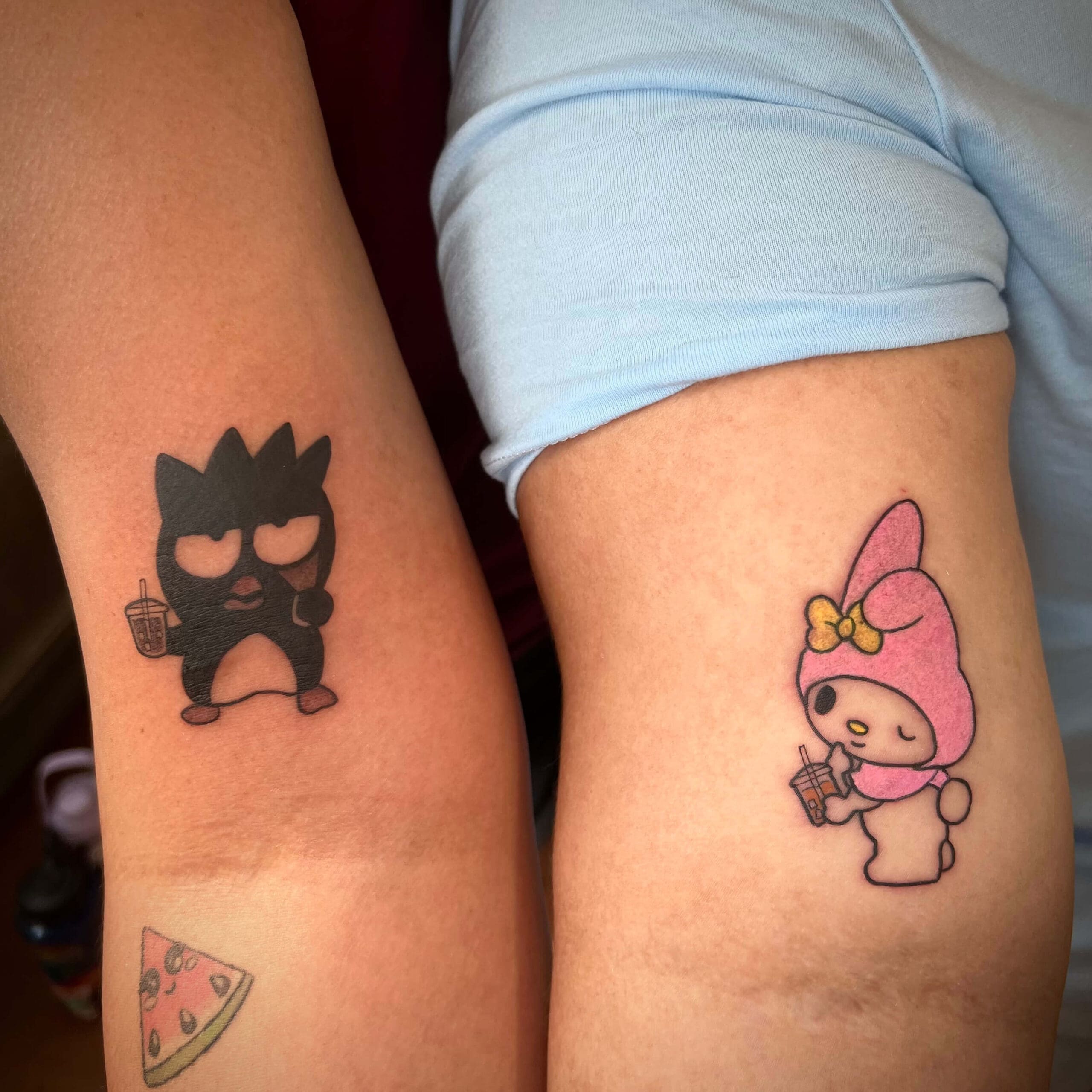
A fresh tattoo normally becomes red, tender, slightly swollen, itchy, flaky, or lightly scabbed while the skin heals. Those changes can look concerning, especially if it is your first tattoo.
An infection behaves differently. Instead of gradually improving, symptoms may spread, intensify, or develop alongside pus, increasing heat, worsening pain, fever, chills, or red streaking.
Knowing the difference can help you avoid panicking over normal healing while also recognizing when a tattoo needs medical attention.
Key Takeaways
- Mild redness, soreness, swelling, clear fluid, itching, flaking, and light scabbing can occur during normal tattoo healing.
- Normal symptoms should generally improve as healing progresses.
- Redness that expands or becomes darker is more concerning than redness that gradually fades.
- Pain that becomes increasingly severe can be a warning sign.
- Pus, significant drainage, bad odor, fever, chills, increasing heat, and red streaks require medical attention.
- Allergic reactions and other skin conditions can sometimes resemble infection.
- Do not diagnose or treat a suspected infection solely through advice from a tattoo artist or social media.
- Contact a healthcare professional promptly when symptoms are worsening or you feel physically unwell.
What Does Normal Tattoo Healing Look Like?
Tattooing deliberately punctures the skin so pigment can be deposited into the dermis.
Because the skin has been injured, some inflammation immediately after the session is expected.
The American Academy of Dermatology notes that normal healing can include redness, swelling, soreness, clear fluid, itching, flaking, and scab formation.
Cleveland Clinic similarly describes early redness, soreness, flaking, itching, scabbing, and some fluid containing blood and ink as possible parts of normal healing.
The important pattern is improvement.
A tattoo may look irritated during the first few days, but redness and tenderness should generally become less prominent rather than progressively spreading or becoming more painful.
Normal Redness vs Infection Redness
Redness is one of the most confusing tattoo-healing symptoms because it can occur with both normal inflammation and infection.
Immediately after tattooing, redness close to the design can be expected. The skin has been repeatedly punctured and may also have been stretched, wiped, and worked for several hours.
Normal redness should gradually fade.
The American Academy of Dermatology identifies redness that becomes darker or spreads instead of diminishing as a potential sign of infection.
| Redness Pattern | More Consistent With Normal Healing | More Concerning |
| Close to the tattoo | Common early on | Concerning if expanding |
| Gradually fading | Yes | No |
| Becoming darker | Less typical | Possible infection |
| Spreading beyond the tattoo | Not expected as healing progresses | Seek medical advice |
| Accompanied by worsening pain | Less typical | More concerning |
| Accompanied by fever | No | Medical evaluation needed |
Normal Swelling vs Increasing Swelling
Some swelling is common after a tattoo, particularly following a long session or work on sensitive areas.
The amount can also depend on placement and how much skin was tattooed.
Mild swelling should settle as the initial inflammatory response decreases.
Swelling becomes more concerning when it continues increasing, feels unusually firm or hot, spreads beyond the tattoo, or occurs with worsening redness and pain.
Cleveland Clinic lists redness and swelling among possible signs of tattoo infection, particularly when they appear with other symptoms.
The direction of change again matters more than the presence of swelling alone.
Normal Soreness vs Worsening Pain
A fresh tattoo can feel sore, sensitive, warm, or similar to a scrape or sunburn.
That discomfort should generally become easier to manage over time.
Pain that increases instead of improving deserves more attention.
Both Cleveland Clinic and the American Academy of Dermatology identify worsening pain as a possible infection warning sign.
Pain is especially concerning when combined with expanding redness, increasing heat, unusual drainage, fever, or other systemic symptoms.
Do not assume severe pain is simply the result of having a low pain tolerance.
Pain that changes significantly after the appointment should be evaluated based on the condition of the skin and any additional symptoms.
Is Tattoo Fluid Normal?
Some fluid can be normal during the earliest stage of healing.
Cleveland Clinic notes that a new tattoo may ooze a mixture containing blood and ink. The American Academy of Dermatology also identifies clear fluid as something that can occur normally after tattooing.
The appearance and progression of the drainage matter.
Small amounts of clear or lightly blood-tinged fluid shortly after tattooing are different from thick pus, persistent significant drainage, or discharge accompanied by odor.
Cleveland Clinic lists odor or significant drainage among symptoms that should prompt medical evaluation.
Pus within the tattoo is also identified by the American Academy of Dermatology as a sign of possible infection.
Itching and Peeling Are Usually Part of Healing
Itching frequently develops as the surface begins drying and peeling.
Flaky skin and light scabbing can also appear during the first few weeks.
Cleveland Clinic advises allowing flakes and scabs to separate naturally rather than scratching, picking, or pulling them away.
Normal itching should not be confused with every type of rash.
A severely itchy rash, raised bumps, blisters, or changes concentrated within one pigment color may indicate something other than routine healing.
Tattoo ink can produce allergic or inflammatory reactions that are not bacterial infections. The American Academy of Dermatology notes that reactions to tattoo ink can occur immediately or much later.
A dermatologist can determine whether a persistent reaction represents infection, allergy, or another skin condition.
Scabbing Does Not Automatically Mean Infection
Light scabbing can be part of normal tattoo healing.
A scab forms as damaged skin repairs itself, and it should generally be allowed to loosen naturally.
Heavy scabbing can occur for several reasons and does not automatically prove that an infection is present.
The larger concern is what occurs around the scab.
Increasing redness, pus, open sores, spreading inflammation, severe pain, or systemic illness require medical attention regardless of whether scabs are present.
Do not remove scabs to inspect the skin beneath them.
Picking can create additional trauma and increase the opportunity for contamination.
Normal Healing vs Possible Infection
| Symptom | Often Seen in Normal Healing | Possible Infection Warning |
| Redness | Mild and gradually decreasing | Spreading or becoming darker |
| Swelling | Mild and improving | Increasing or spreading |
| Pain | Tenderness that decreases | Pain that becomes worse |
| Fluid | Small amount of clear fluid or early blood and ink | Pus, odor, or significant drainage |
| Itching | Common during peeling | Severe rash with painful bumps or blisters |
| Scabbing | Light scabbing | Open sores with worsening inflammation |
| Warmth | Mild early warmth | Increasing or persistent heat |
| Fever | Not normal | Seek medical evaluation |
| Chills | Not normal | Seek medical evaluation |
| Red streaks | Not normal | Seek medical evaluation |
The table can help identify patterns, but it cannot diagnose an infection.
When symptoms do not fit clearly into either category, a healthcare professional should evaluate the skin.
Continue Gentle Care While Monitoring Healing
When healing appears normal, continue following the aftercare instructions provided by your tattoo artist.
Cleveland Clinic recommends gentle washing, avoiding scrubbing or rubbing, keeping the skin appropriately moisturized, and avoiding tight clothing that creates unnecessary irritation.
Do not repeatedly touch the tattoo to check whether it is warm.
Avoid picking scabs, squeezing bumps, or attempting to drain suspicious areas yourself.
Photographs taken in similar lighting can help you notice whether redness is actually spreading or decreasing over time.
They can also provide useful context if you need to show the progression to your artist or healthcare provider.
Frequently Asked Questions
Can an infection appear after the tattoo initially seemed to heal normally?
Yes. Cleveland Clinic notes that some tattoo infections appear shortly after tattooing while others can develop later. A new change in previously stable tattooed skin should therefore be evaluated rather than dismissed solely because time has passed.
Can only one color in a tattoo become irritated?
Yes. Reactions can sometimes affect particular pigments rather than the entire tattoo. Because pigment reactions and infections can resemble one another, persistent changes should be assessed by a healthcare professional.
Can a tattoo infection damage the final artwork?
Yes. Significant inflammation, tissue damage, scarring, or treatment of an infection can affect the tattoo’s final appearance. Health should take priority over preserving the tattoo.
Should I send a photo to my tattoo artist if I am worried?
You can inform your artist and show them the tattoo, but photographs and artist advice should not replace medical evaluation when symptoms suggest infection.
Watch the Direction Your Symptoms Are Moving
Normal tattoo healing can look dramatic.
Redness, soreness, clear fluid, itching, peeling, and light scabbing do not automatically mean something has gone wrong.
The most useful distinction is often whether the tattoo is gradually becoming calmer or increasingly inflamed.
Spreading redness, worsening pain, significant drainage, pus, increasing heat, fever, chills, open sores, or red streaking deserve medical attention.
When the difference between normal healing and infection is unclear, do not wait for the tattoo to become obviously severe. A healthcare professional can determine whether the skin is healing normally, infected, or experiencing another type of reaction.