
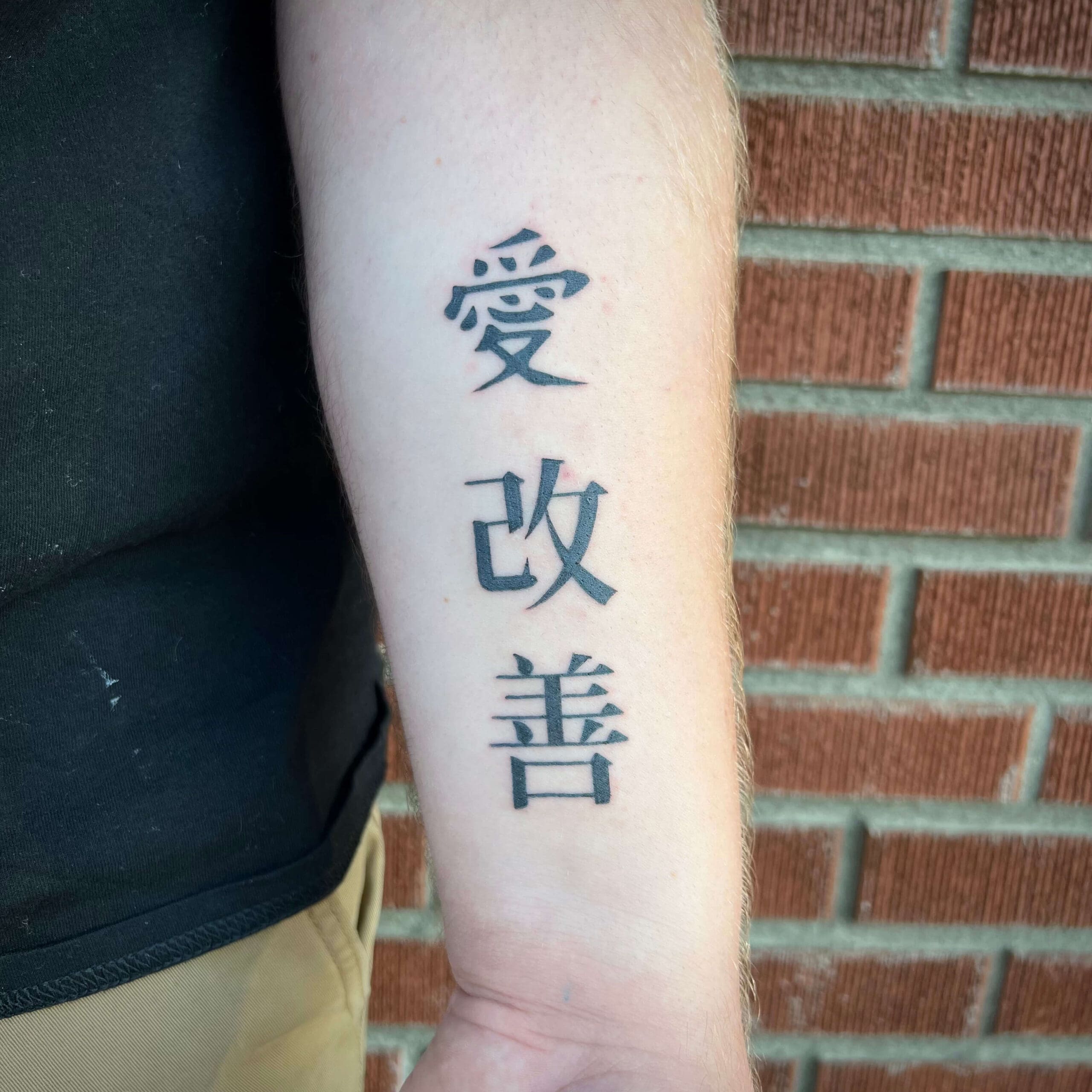
Trust between a client and tattoo artist should begin before the first needle touches the skin. It develops through clear communication, professional behavior, realistic expectations, informed consent, and confidence in the artist’s ability to execute the chosen style.
Trust does not mean giving the artist unlimited control or ignoring concerns. It means both people understand the project, respect each other’s role, and feel comfortable discussing design, placement, safety, boundaries, and possible changes.
Key Takeaways
- Choose an artist whose healed work matches the style you want.
- Use the consultation to evaluate communication as well as technical skill.
- Be honest about budget, pain tolerance, medical concerns, and design priorities.
- Respect the artist’s process without approving choices you do not understand.
- Confirm boundaries involving touch, clothing, photography, and privacy.
- Trust should increase through consistent professional behavior, not pressure or reputation alone.
Start With the Artist’s Actual Portfolio
A strong artist-client relationship begins with choosing someone whose existing work matches the tattoo you want.
Look beyond one popular photograph. Review several examples of the artist’s linework, shading, color, composition, placement, and subject matter.
Healed photographs are especially useful because they show how the tattoo settled after redness, swelling, and surface shine disappeared. Fresh work can demonstrate application quality, but healed work provides a better view of long-term clarity.
An artist who produces strong traditional tattoos may not be the right choice for a soft black and grey portrait. Trust becomes harder to build when the client expects the artist to work outside their established strengths.
Research the Studio, Not Only the Artist
The studio environment affects the entire experience. Review available information about booking policies, hygiene practices, pricing, deposits, cancellations, guests, and aftercare.
Professional communication should remain consistent from the first inquiry onward. Messages do not need to be answered immediately, but instructions should be clear and respectful.
Pay attention to how the studio handles scheduling, identification requirements, consent forms, and client questions. Disorganized communication before the appointment may create uncertainty during a large or multi-session project.
A strong social media following does not replace a professional booking process. Reputation should support trust, not become the only reason concerns are ignored.
Use the Consultation to Evaluate Compatibility
A consultation is not only for discussing the tattoo. It is also an opportunity to determine whether the artist and client can work together effectively.
The artist should ask about the concept, placement, approximate size, style, references, and meaning when relevant. They may also explain why certain details need to be enlarged, simplified, moved, or removed.
The client should feel heard even when the artist disagrees with a request. Professional disagreement includes an explanation and an alternative, not ridicule or dismissal.
Good compatibility does not require identical personalities. It requires clear communication, mutual respect, and enough confidence to discuss concerns before they become permanent.
Understand the Difference Between Trust and Blind Agreement
Trusting an artist does not mean approving every suggestion without question. The client still has the right to understand the design, inspect the stencil, discuss placement, and decline the tattoo.
The artist brings technical experience involving anatomy, scale, contrast, aging, and application. The client brings knowledge of their body, personal meaning, comfort level, and long-term preferences.
A successful tattoo combines both forms of knowledge. Problems arise when either person believes their role removes the other person’s right to participate.
| Healthy Trust | Blind Agreement |
| Asking why a change is recommended | Accepting a change without understanding it |
| Discussing placement concerns | Remaining silent to avoid seeming difficult |
| Respecting technical limitations | Assuming the artist can never be wrong |
| Approving the final stencil | Feeling pressured to begin |
| Allowing artistic interpretation | Giving up all control over the concept |
| Accepting professional boundaries | Ignoring behavior that feels unsafe |
Trust should make communication easier. It should not make the client afraid to speak.
Be Clear About Non-Negotiable Elements
Every custom tattoo has flexible and non-negotiable parts. Identifying them early helps the artist understand where interpretation is welcome.
A memorial tattoo may require exact handwriting, a specific flower, or a verified date. A Japanese-inspired design may need one central subject while allowing the artist to choose background movement and secondary elements.
Too many fixed requirements can restrict the composition. Too few can leave the artist guessing about what matters most.
Explain which details carry personal importance and which references are mainly visual inspiration. This allows the artist to protect the meaning while designing something that works on the body.
Give Honest Information About Your Budget
Budget affects size, detail, placement, color, and the number of sessions. Hiding a strict limit until the design has been prepared can damage trust and waste planning time.
Give the artist a realistic total budget or a manageable amount per appointment. They may recommend reducing the scope, completing the tattoo in stages, or choosing a more focused composition.
An experienced artist should not pressure a client into spending more than they can reasonably afford. The client should also avoid asking for the same amount of work at a lower rate.
Financial clarity helps both sides plan the project without surprise, resentment, or unfinished work.
Discuss Pain Tolerance and Session Expectations
Clients do not need to prove toughness to earn an artist’s respect. Honest information about previous tattoo experiences, anxiety, positioning limits, or difficulty sitting for long periods helps the artist schedule appropriately.
A sleeve estimated around several long sessions may need more appointments when the client works better in shorter blocks. This can still produce an excellent result.
Tell the artist about relevant injuries, mobility issues, fainting history, or conditions that may affect positioning. Medical concerns should also be discussed with an appropriate healthcare professional when necessary.
Trust grows when the client communicates before reaching a crisis and the artist responds without embarrassment or unnecessary judgment.
Ask About the Artist’s Design Process
Artists differ in when they show custom artwork, how many revisions they include, and whether they draw digitally, by hand, or directly on the body.
Ask when you can expect to see the design and what type of feedback can be accommodated. Some artists provide an advance preview, while others reveal the design close to the appointment.
Understanding the process prevents surprise. It also helps the client decide whether the artist’s workflow matches their need for preparation and decision-making time.
Do not assume that one artist’s policy represents the entire tattoo industry. Trust depends partly on knowing the actual process before paying a deposit.
Respect the Artist’s Creative Boundaries
Tattoo artists may refuse to copy another artist’s custom design, reproduce copyrighted artwork exactly, or create imagery they consider unethical or outside their skill set.
They may also decline changes that would make the tattoo technically weak. Extremely small lettering, overcrowded detail, or unsuitable placement can affect readability and healing.
A refusal does not automatically mean the artist is being difficult. It may reflect professional standards or an honest assessment of what they can execute well.
The artist should still communicate respectfully. Boundaries become easier to accept when the reasoning is clear and applied consistently.
Be Reliable as a Client
Trust works in both directions. Arrive on time, follow preparation instructions, and communicate promptly when an unavoidable problem affects the appointment.
Do not arrive intoxicated, severely sleep-deprived, or unprepared for the agreed session. These conditions can interfere with consent, endurance, and safe tattooing.
Bring the references and documents requested by the artist. Verify names, dates, quotations, and translations before the design is finalized.
Reliable behavior allows the artist to plan their time and treat the project as an active collaboration rather than an uncertain booking.
Frequently Asked Questions
Should I tell my tattoo artist that I am nervous?
Yes. Nervousness is common, especially before a first tattoo, large project, or sensitive placement.
Can I switch artists within the same studio?
Possibly. The studio may allow another artist to take the project when their style or availability fits better.
Is it rude to ask how long an artist has been tattooing?
No. Experience is a reasonable consideration, especially for technically demanding work.
The portfolio and healed results remain more informative than the number of years alone.
Should I contact previous clients before booking an artist?
Only when those clients have publicly invited questions or the artist has arranged a reference.
Do not treat private individuals in portfolio photographs as publicly available contacts.
Build Trust Before You Give Up Control of the Outcome
Trust with a tattoo artist develops through evidence, communication, consent, and consistent behavior. It should begin with a relevant portfolio and continue through consultation, design planning, stencil approval, tattooing, and aftercare.
The client should respect the artist’s technical experience while remaining honest about personal priorities, physical limits, budget, and boundaries. The artist should provide professional guidance without using pressure or reputation to silence concerns.
A strong artist-client relationship does not remove every disagreement. It creates enough mutual respect to solve those disagreements before they become permanent.