
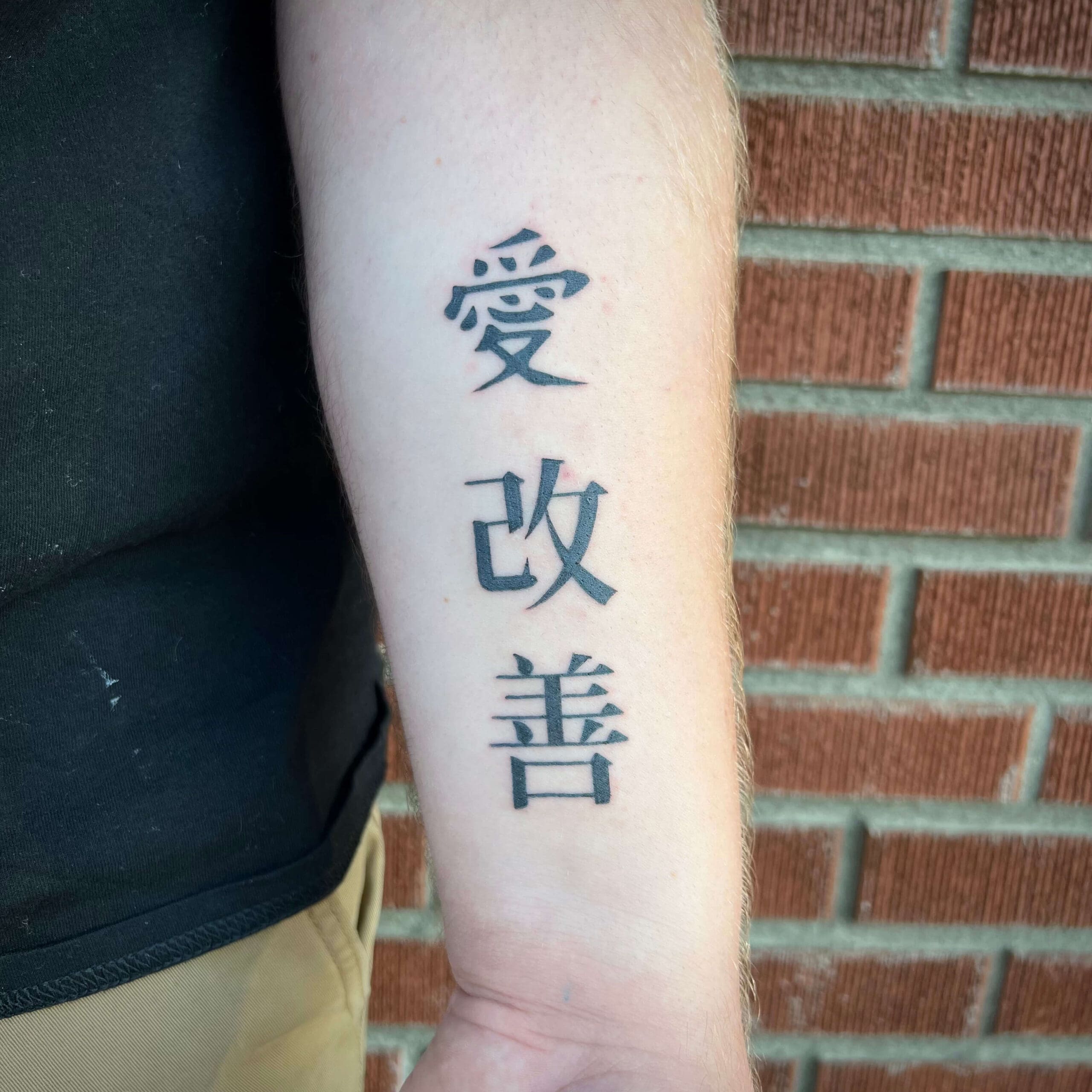
A Japanese-style tattoo can cost anywhere from a few hundred dollars for a simplified standalone motif to several thousand dollars for a sleeve, back piece, or connected body project.
The final price depends on the artist’s rate, placement, coverage, detail, color, background work, and number of sessions. Large Japanese compositions are usually priced according to the total work required rather than the number of motifs included.
Key Takeaways
- Large Japanese tattoos are commonly charged by the hour, session, or full day.
- A full sleeve may cost several thousand dollars and can exceed $10,000 with a highly sought-after artist.
- Backgrounds, color packing, difficult placements, and dense details increase tattooing time.
- Deposits usually secure the appointment and may be applied to the final session cost.
- A consultation provides a more useful estimate than a generic online calculator.
- Budget for the complete composition rather than paying for disconnected sections without a long-term plan.
Typical Japanese-Style Tattoo Cost Ranges
Tattoo prices differ substantially between cities, countries, studios, and artists.
As a broad U.S. planning reference, small pieces may cost several hundred dollars, while cohesive sleeves and large body panels can reach several thousand dollars. One Oakland studio lists rates of $200 to $400 per hour for resident artists and $1,500 to $2,000 for large-project sessions, while broader 2026 estimates place full sleeves anywhere from roughly $1,500 to more than $6,000. High-demand artists and expensive markets can charge considerably more.
| Project Type | Broad Planning Range | Common Pricing Method |
| Small standalone motif | $300 to $1,000+ | Flat price or hourly |
| Medium arm, thigh, or calf piece | $800 to $2,500+ | Hourly or session |
| Half sleeve | $1,500 to $5,000+ | Hourly or session |
| Full sleeve | $3,000 to $12,000+ | Multiple sessions or day rates |
| Large back piece | $5,000 to $20,000+ | Multi-session project |
| Bodysuit or connected bodywork | Often tens of thousands | Long-term session pricing |
These are budgeting ranges rather than guaranteed quotes.
How Tattoo Artists Set Their Prices
Artists generally use one of four pricing structures.
Small and predictable designs may receive a flat quote. Larger Japanese-style work is more commonly charged by the hour, half day, full day, or individual session.
| Pricing Method | How It Works | Best Suited For |
| Flat price | One total price for a defined design | Small standalone motifs |
| Hourly rate | Final cost follows tattooing time | Medium custom projects |
| Session rate | One price for each appointment | Sleeves and back pieces |
| Day rate | Set price for an extended workday | Large-scale bodywork |
Size and Coverage Have the Largest Effect
Coverage determines how much skin must be outlined, shaded, colored, and connected.
A palm-sized koi requires fewer hours than a koi surrounded by waves, lotus flowers, rocks, and a complete sleeve background.
Japanese compositions also use large areas of solid black, repeated scales, flower petals, water, clouds, and wind bars. These elements require more time than the main subject alone may suggest.
A sleeve may appear to contain only one dragon, but the dragon’s body, scales, claws, flowers, clouds, black saturation, and outer framing can turn it into a lengthy project.
Background Work Adds Significant Time
Waves, wind bars, clouds, rocks, lightning, mist, and Mikiri framing are structural parts of Japanese tattooing.
They connect the focal subject to the body and prevent the project from looking like an isolated image.
Background work can cover more skin than the central motif.
A Hannya mask may occupy the upper arm, while clouds, flowers, and wind bars extend through the elbow and forearm. The client is paying for the complete sleeve composition, not only for the mask.
Removing the background may lower the initial cost, but it also changes the visual style and can make future expansion more difficult.
Color Versus Black and Grey Pricing
Color does not automatically make every tattoo more expensive.
The cost depends on how much time the artist needs to complete the chosen approach.
Traditional color may involve repeated passes to create solid red, green, blue, yellow, or black fields. Large saturated sections can lengthen each appointment.
Black and grey work may require fewer pigments, but it still demands controlled grey wash, black saturation, value separation, and skin breaks.
A detailed black and grey dragon can take longer than a simplified traditional-color koi.
Neo-Japanese work may add gradients, complex lighting, realistic textures, and highly detailed rendering. These techniques can increase the number of hours even when the tattoo covers the same body area.
| Style Approach | Main Time Factors |
| Traditional color | Solid packing, clean separation, repeated passes |
| Black and grey | Grey wash, tonal control, black saturation |
| Neo-Japanese | Gradients, dimensional detail, lighting effects |
| Tebori-assisted work | Manual application speed and artist method |
Placement Can Change the Price
Some body areas are slower to tattoo than others.
Arms and thighs often provide relatively accessible surfaces. Ribs, sternum, knees, elbows, armpits, and curved torso areas may require more repositioning, stencil adjustment, or shorter working periods.
The client’s comfort can also affect the pace.
A planned six-hour appointment may produce fewer completed hours when the placement requires frequent breaks.
Large back pieces provide substantial space, but the artist must repeatedly move between sections and maintain symmetry, scale, and long-range composition.
Sleeves require careful work around the elbow, wrist, shoulder, and rotating surfaces of the arm.
Hidden Costs to Consider Before Starting a Japanese Tattoo
The artist’s tattoo rate is only one part of the total project cost.
Large Japanese sleeves, back pieces, and bodysuits may also involve consultation fees, travel, aftercare, touch-ups, tips, and lost income from taking time away from work.
Consultation Fees
Some artists offer free consultations, while others charge for extended design meetings or detailed project planning.
Ask whether the consultation fee is separate, applied to the deposit, or credited toward a future tattoo session.
Travel and Accommodation
Working with a Japanese tattoo specialist may require repeated travel to another city or country.
Include transportation, accommodation, meals, parking, and local travel when calculating the full project budget.
Tips
Tipping practices vary by country, studio, and artist.
Where tipping is customary, clients may tip after each session or wait until the project is complete.
Aftercare Supplies
Aftercare costs may include protective film, gentle soap, moisturizer, clean clothing, and sun protection once the tattoo has healed.
The artist should provide product guidance so the client does not purchase unnecessary or unsuitable treatments.
Touch-Ups
Some artists include one touch-up within a limited period, while others charge according to the amount of work required.
Touch-ups caused by poor aftercare, sun damage, missed healing instructions, or long delays may not be covered.
Time Away From Work
Large tattoo sessions may require a full day away from work, followed by additional recovery time for physically demanding jobs.
Clients should also consider lost income, reduced mobility, clothing restrictions, and the difficulty of working while a large area is healing.
| Hidden Cost | What to Confirm |
| Consultation | Whether the fee is separate or credited |
| Travel | Number of trips, lodging, parking, and meals |
| Tips | Local practice and preferred timing |
| Aftercare | Recommended products and replacement supplies |
| Touch-ups | What is included and how long coverage lasts |
| Time off work | Session days, recovery time, and lost income |
Deposits and Cancellation Policies
Most custom tattoo projects require a deposit before drawing or scheduling begins.
The deposit may be deducted from the final price, applied to the last appointment, or held separately under the studio’s policy.
Deposits are commonly nonrefundable when the client cancels late, misses the appointment, or abandons the project.
Ask for the policy in writing before paying.
The studio should explain rescheduling deadlines, cancellation rules, design-change limits, and what happens if the artist must move the appointment.
Frequently Asked Questions About Japanese-Style Tattoo Costs
Do tattoo artists charge separately for drawing time?
Policies differ.
Some artists include design preparation within their tattoo rate or deposit, while others charge for extensive revisions or complex pre-drawn work.
Can a tattoo deposit be transferred to another project?
That depends on the artist’s policy.
A deposit reserved for a sleeve may not be transferable to a smaller tattoo, another artist, or a different appointment date.
Are guest-spot appointments more expensive?
They can be.
Travel costs, studio fees, limited availability, and local pricing may affect the artist’s temporary rate.
Is financing a large tattoo a good idea?
Financing creates additional financial risk for a nonessential purchase.
Budget for the Complete Japanese Tattoo, Not Just the First Session
The cost of a Japanese-style tattoo reflects the complete composition, artist expertise, coverage, background work, color, placement, and number of sessions.
A small motif may cost several hundred dollars, while a full sleeve, back piece, or bodysuit can become a major long-term investment.
Request a consultation, compare the full scope of each quote, and build a budget that covers the project from outline to final refinement.
A carefully planned tattoo completed by the right artist is usually more valuable than a cheaper project that must later be corrected or rebuilt.